Croatia’s organ transplant success puts it among world leaders
- by croatiaweek
- in News
ZAGREB, 11 October 2026 (Hina/Ivan Grandov/Sandra Bartolović) – Croatia is among the world’s leading countries for organ donation and transplantation, with liver transplant patients at Zagreb’s University Hospital Centre (KBC Zagreb) recording a one-year survival rate of more than 95%, a senior surgeon has said.
Davor Mijatović, head of the hospital’s Department of Surgery, highlighted Croatia’s results on Saturday, 10 October, ahead of a liver transplant performed on European Organ Donation Day.
He said Croatia ranked highly internationally both for the number of donated organs and the number of transplants carried out, as well as for transplant success rates.
“Organ transplantation is not possible without donors,” Mijatović said, stressing the importance of donors and the decisions made by their families to consent to organ donation.
The liver used in Saturday’s operation came from a country within the Eurotransplant network, which facilitates the exchange and allocation of organs according to medical urgency and clinical criteria.
Before transplantation, medical teams assess the quality of the donated organ, including through a pathological examination of a small tissue sample, to determine whether it is suitable for the recipient.
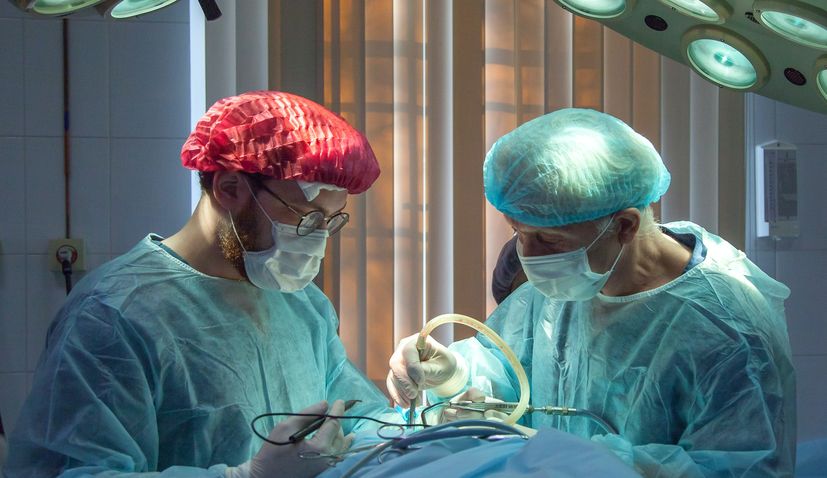
The operation involves removing the patient’s diseased liver, a procedure that takes around three hours, followed by the transplantation itself, which can take another five to six hours.
Around 40 liver transplants a year
KBC Zagreb, commonly known as Rebro, has the country’s largest transplant programme, carrying out procedures involving the liver, heart, kidneys and lungs.
The hospital performs approximately 40 liver transplants annually, equivalent to around one procedure a week.
Mijatović said the programme’s one-year patient survival rate exceeds 95%, placing its results among the best internationally.
The complexity of the procedures requires a large, multidisciplinary team. More than 60 people are part of the hospital’s liver transplant team, with 15 medical professionals involved in the operation carried out on Saturday.
He highlighted the commitment required to perform emergency transplants, explaining that team members are called in from home regardless of what they are doing to help save a patient’s life.
Raising awareness of organ donation
European Organ, Tissue and Cell Donation Day is marked on the second Saturday of October each year. It aims to raise awareness of the importance of donation, recognise donors and their families, and support people waiting for transplants.
Organ donation remains essential to transplantation programmes, allowing patients with serious organ failure to receive life-saving treatment.
Mijatović said the occasion was an opportunity to recognise the generosity of donor families and the medical teams whose work makes transplantation possible.