
Croatia has Europe’s most seasonal tourism
- by croatiaweek
- in News
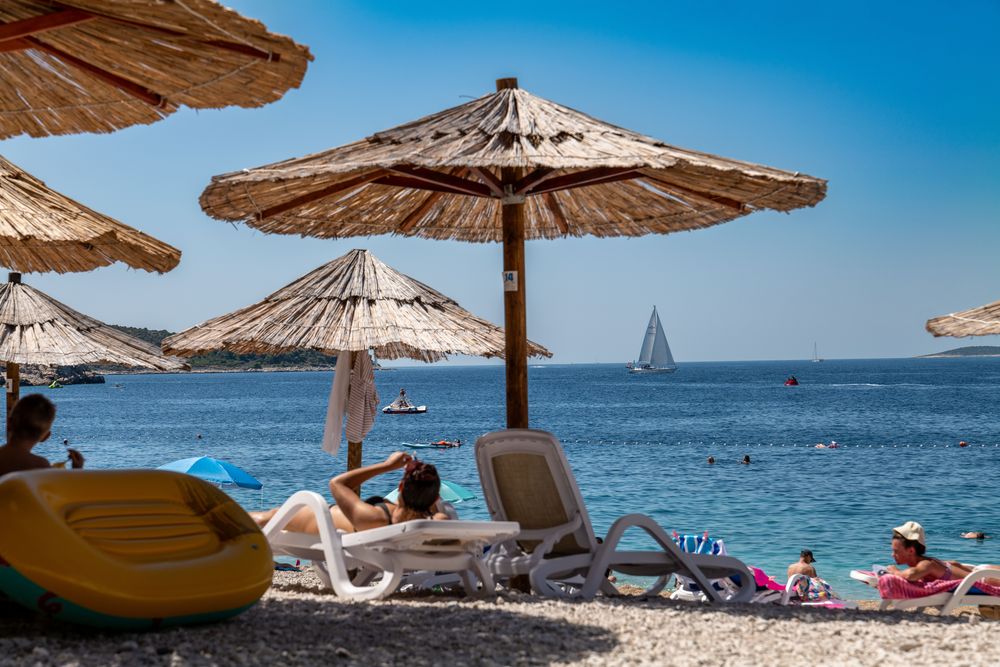
Croatia has emerged as the most seasonal tourism destination in the European Union, with more than half of its annual tourist overnight stays recorded during just July and August.
Analysis published by Novi list, based on the latest Eurostat data, shows that 54.5 per cent of all tourist nights in Croatia in 2025 were recorded during the two peak summer months.
The figure places Croatia well ahead of every other EU member state.
The EU average was 31.1 per cent, meaning that the bloc as a whole recorded less than one-third of its annual overnight stays during July and August.
Bulgaria followed Croatia with 43.4 per cent, while Greece recorded 41.6 per cent. At the opposite end of the scale, only 22 per cent of Malta’s annual overnight stays occurred in the two peak months. Germany and Finland were also below 25 per cent.
The figures underline the scale of Croatia’s dependence on the traditional summer tourism model.
For decades, Croatian tourism policy has focused on extending the season and increasing arrivals during the shoulder months. Cultural tourism, cycling, gastronomy, wellness, health tourism and sporting events have all been promoted as ways of attracting visitors outside July and August.
Despite those efforts, the latest figures show that the structure of Croatian tourism remains strongly concentrated around the peak summer season.
Climate and geography are among the factors contributing to the pattern, as are school holidays, annual leave arrangements and travel habits.
Croatia also has a large tourism sector built around the traditional sun-and-sea model, with much accommodation and infrastructure operating at substantially higher capacity during summer.
The concentration brings significant economic benefits during the peak season but also creates challenges.
Businesses face major differences in demand between summer and the rest of the year, while destinations must manage large seasonal increases in traffic, waste, water consumption and pressure on infrastructure.
The figures also highlight the importance of developing tourism products that can operate throughout the year.
For Croatia, the challenge is therefore not simply attracting more visitors, but spreading existing tourism demand more evenly across the calendar.
The latest Eurostat data provide a clear measure of just how much work remains to achieve the long-discussed goal of a more balanced, year-round Croatian tourism sector.


