Medicine consumption rises 10% in Croatia as demand continues to grow
- by croatiaweek
- in News
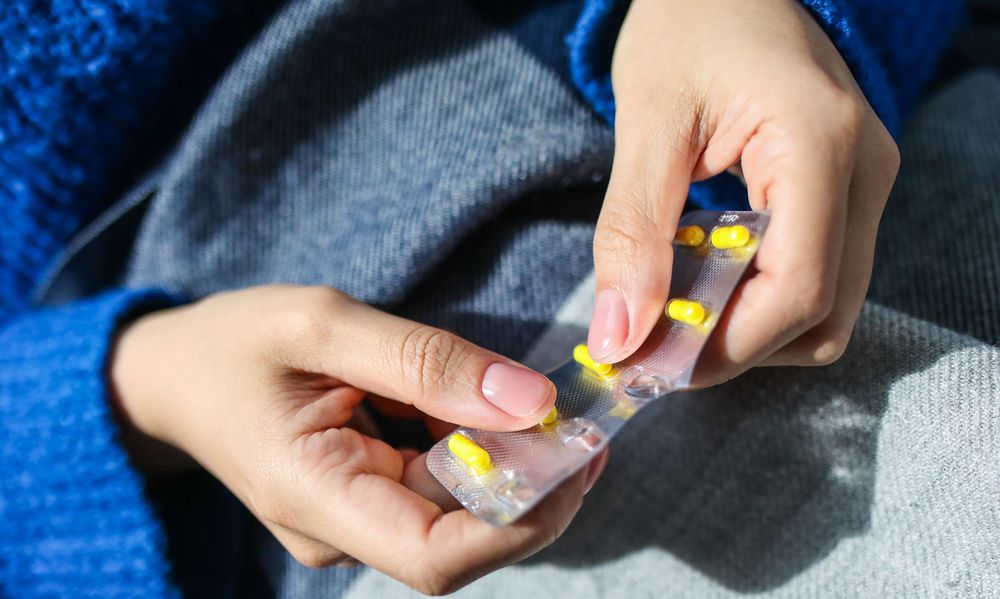
ZAGREB, 19 September 2026 – Medicine consumption in Croatia increased by 10% last year, with an ageing population contributing to growing demand, according to the latest data from the Croatian Agency for Medicinal Products and Medical Devices (HALMED).
Croatia has one of the oldest populations in the European Union, and pharmacists and health professionals say the increasing need for medicines is closely linked to demographic changes.
The latest figures show that medicines for the cardiovascular, digestive and nervous systems are among those most commonly used in Croatia. Vitamin D recorded particularly high consumption.
“There is a constant increase in consumption every year, and this is not only the case in Croatia, but in all countries,” Pero Draganić, HALMED’s chief adviser on medicine consumption, told HRT.
According to Draganić, the figures equate, in simple terms, to an average of around 1.7 doses being taken per person per day.
Pharmacist Mario Vrebčević said the level of consumption should be viewed in the context of Croatia’s ageing population.
“If we look at the doses patients take, consumption itself is normal because the fact is that our population is getting older and, consequently, the need for medicines is increasing,” he said.
The rise in medicine use has also been reflected financially. Revenue from medicine sales increased by 10% last year compared with the previous year, according to the report.
Among the medicines seeing increased demand are those used to treat cardiovascular conditions. Family medicine specialist Branislava Čilić also pointed to increased use of medicines for lowering cholesterol.
She said vitamin D consumption had also increased significantly.
At the same time, some medicines have experienced shortages.
Around 30 medicines are currently affected by shortages in Croatia, although health professionals say there is no reason for patients to panic.
Vrebčević said recent shortages have most commonly affected some over-the-counter painkillers, including certain ibuprofen products and Plivadon, as well as some medicines used to treat high blood pressure.
Drug shortages can occur for a variety of reasons. According to Draganić, production problems can result in individual medicines becoming temporarily unavailable.
Alternative medicines are generally available, while medicines that are unavailable on the Croatian market can, where necessary, be obtained through emergency imports via HALMED.
The data also highlights the growing cost of newer treatments. Of Croatia’s 25 most expensive medicines, 13 belong to the category of newer medicines described as innovative or “smart” medicines.
The figures therefore point to two parallel trends: overall medicine consumption continues to rise as Croatia’s population ages, while the pharmaceutical market is also increasingly shaped by newer and more expensive treatments.