
VIDEO: Centuries-old shipwrecks off Elaphiti Islands reveal Dubrovnik’s past
- by croatiaweek
- in News
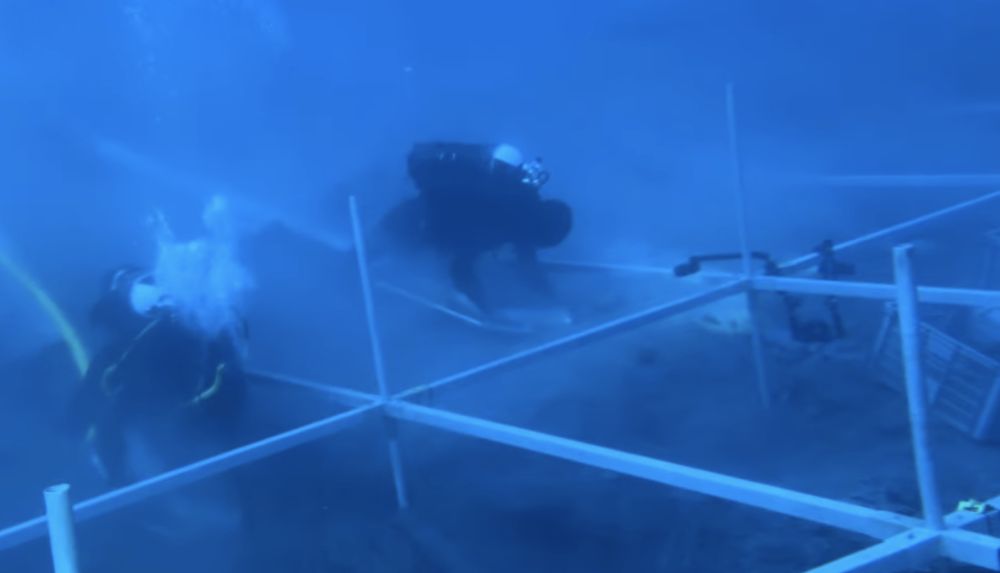
(Photo: Screenshot/HRT/YouTube)
Underwater archaeologists are continuing to investigate historic shipwrecks off Croatia’s southern Adriatic coast, with research near the islands of Šipan and Koločep providing new opportunities to understand the maritime history of the former Republic of Dubrovnik.
International teams have been studying several wreck sites in the waters around the Elaphiti Islands.
One of the most significant sites is the wreck of the Santo Hieronimo, a merchant vessel lying at a depth of around 30 metres in Suđurađ Bay on Šipan, HRT reported.
The vessel is described by researchers as the first merchant ship of the Republic of Dubrovnik to undergo systematic archaeological investigation.
Research at the site has been under way since 2015, involving an international team of scientists, underwater archaeologists, divers and students.
The work has included examining the length of the keel and the central section of the vessel, where the main structural frame is located.
Researchers have also been investigating the bow, gradually revealing more of the ship’s surviving structure.
The remains offer a valuable opportunity to study historic shipbuilding and maritime trade in a region where shipping played a central role in economic and political life.
The Republic of Dubrovnik, centred on the city now known as Dubrovnik, developed an extensive maritime trading network that connected the eastern Adriatic with other parts of the Mediterranean.
Shipwrecks can provide evidence not only of the vessels themselves but also of the goods, technology and commercial connections associated with their journeys.
Underwater archaeological work is particularly demanding because researchers must operate at depth while documenting fragile remains that have been exposed to marine conditions for centuries.
The work around the Elaphiti Islands forms part of broader efforts to investigate and document the Adriatic’s underwater cultural heritage.
Although shipwreck sites can attract considerable interest from divers and visitors, archaeological research requires careful recording and protection of the remains.
The discoveries also offer potential opportunities to deepen public understanding of Croatia’s maritime history, which extends well beyond the better-known historic buildings and fortified towns along the coast.
Further research is expected to help specialists establish a clearer picture of the vessels and their historical context.


