Croatia at the centre of proposed new Italy-Greece railway route
- by croatiaweek
- in News
Split
A new initiative has been launched to establish an Adriatic-Ionian railway corridor linking seven countries and strengthening rail connections between Central and southeastern Europe.
The initiative was signed in Zagreb on Friday with the aim of developing a future railway route connecting Italy, Slovenia, Croatia, Bosnia and Herzegovina, Montenegro, Albania and Greece.
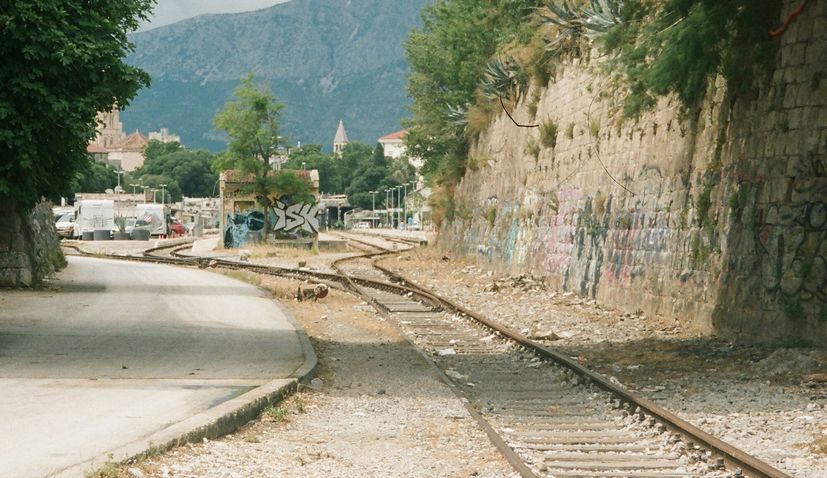
For Croatia, the proposed corridor would connect a series of major Adriatic ports and cities, including Rijeka, Zadar, Šibenik, Split and Ploče, while creating stronger links with the European railway network.
The initiative is intended to encourage joint infrastructure investment and support the inclusion of the Adriatic-Ionian route within future European transport planning, the Ministry of the sea, transport and infrastructure said.
Croatian officials said better rail connections would be important for both passenger transport and freight, particularly because of the role of Adriatic ports in regional logistics.
The route would also connect EU member states with countries that are currently candidates for EU membership, creating a potential transport link across a large part of southeastern Europe.
The initiative is not yet a completed railway project. Further studies, planning, financing arrangements and construction decisions would be required before the full corridor could become operational.
One of the issues identified by Croatian authorities is the need to upgrade existing railway lines while also constructing new sections where necessary.
HŽ Infrastructure said the corridor should be considered a strategic issue for Croatia because it would improve both international connections and links between different parts of the country.
The project could also support tourism by making it easier to travel along the eastern Adriatic and connect coastal cities with European rail networks.
Infrastructure planning is already under way for several Croatian sections that could eventually contribute to wider regional connections.
The initiative also comes as the European Union prepares its next long-term transport and infrastructure priorities.
Supporters of the proposal are seeking recognition of the Adriatic-Ionian railway as part of the broader European transport network, which could open access to future EU funding.
A major conference on the initiative is expected to take place in Brussels next year.
For Croatia, the potential impact would extend from transport and logistics to tourism, regional development and the competitiveness of its Adriatic ports.