Archaeological surprise on Hvar: Galešnik hides an even older fortress
- by croatiaweek
- in News
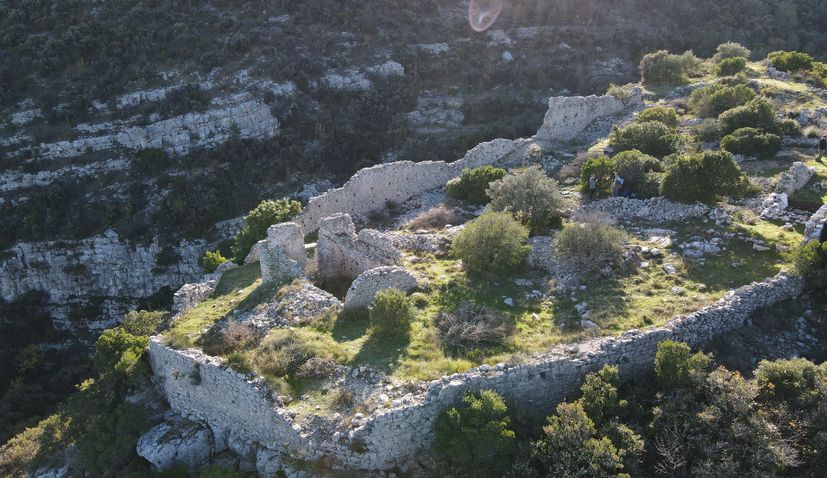
Galešnik (Photo: Museum of Croatian Archaeological Monuments)
Perched 210 metres above Jelsa, Galešnik has watched over the Hvar Channel for centuries.
Once a strategic stronghold safeguarding sea routes and local communities, the hilltop fortress is now the focus of a major restoration effort that is bringing its layered history back to life.
The climb to Galešnik may be steep, but visitors are rewarded with sweeping views and a striking glimpse into the island’s rich past.
Today, teams of conservators are working intensively to stabilise the ancient stone walls, using traditional materials and techniques.
“We first rebuilt the outer sections with hydraulic lime mortar and local stone. Now we’re filling the interior with smaller stones and prepared mortar,” explained restorer Ozren Radovanović to HRT.
The works form part of the East Adriatic Late Antique Maritime Limes project, an international initiative aimed at reconstructing and presenting key early medieval defensive sites along the Adriatic. Galešnik is the project’s first major site.
Early archaeological investigations have already produced an unexpected discovery. Beneath the Late Antique fortress lies an earlier prehistoric settlement.
“There is another perimeter of walls, most likely from the Late Bronze Age, built in large megalithic blocks. It is a significant Illyrian hillfort,” said archaeologist Miro Katić.
The project has drawn strong support from museums and local authorities. According to Šibenik City Museum director Toni Brajković, the aim is not only preservation but also strengthening cultural tourism and community engagement.
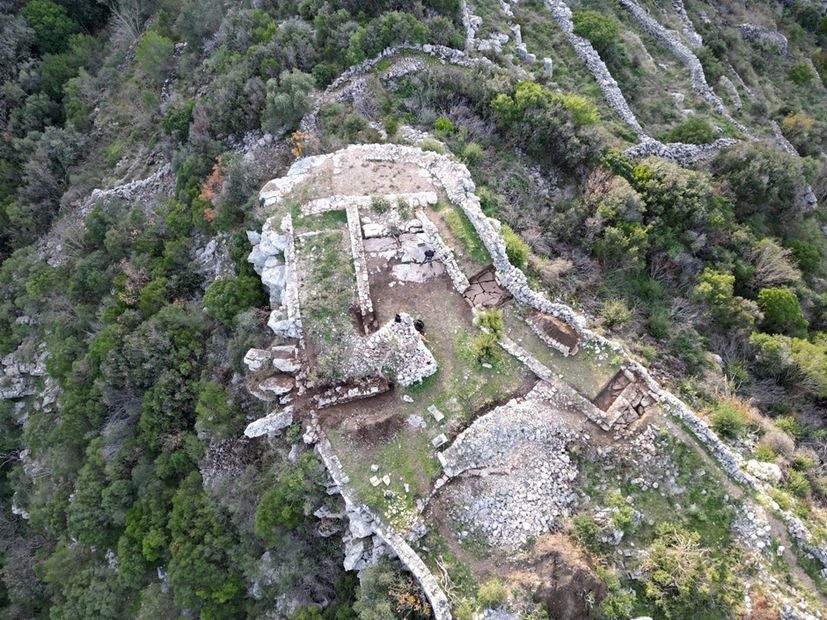
Galešnik (Photo: Museum of Croatian Archaeological Monuments)
Believed to have been rebuilt in the 6th century during the reign of Byzantine Emperor Justinian I, Galešnik once formed a defensive network with the nearby Illyrian-Greek fortress Tor.
Its restoration, led by the Museum of Croatian Archaeological Monuments and Split-Dalmatia County, is expected to play a central role in advancing archaeological tourism on Hvar.
As Jelsa mayor Marija Marijan noted, the site’s protection and presentation will benefit both residents and visitors for years to come.