Archaeologists uncovering Korčula’s forgotten civilisation at Kopila
- by croatiaweek
- in News
(Photo: Archaeological Museum in Split)
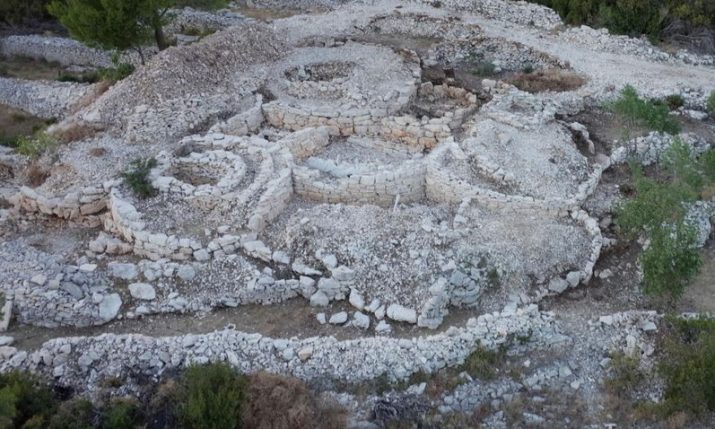
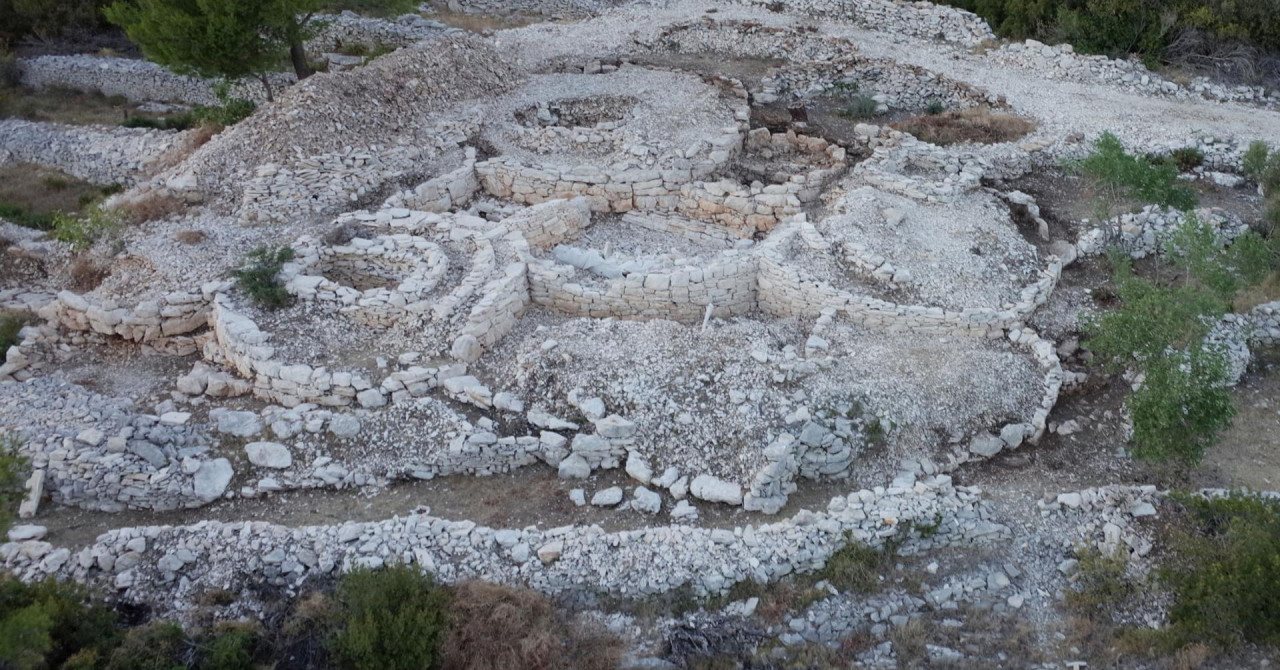
Perched on the slopes above the town of Blato on the Croatian island of Korčula lies Kopila, one of the most enigmatic archaeological sites in the Adriatic.
Hidden for centuries, this ancient necropolis has been gradually revealing secrets that bridge the worlds of the island’s prehistoric inhabitants and their later Greek visitors.
Discovered quite by chance a hundred years ago, Kopila’s burial site has, over the past two decades of research, uncovered an extraordinary story of cultural exchange and coexistence between two civilisations.
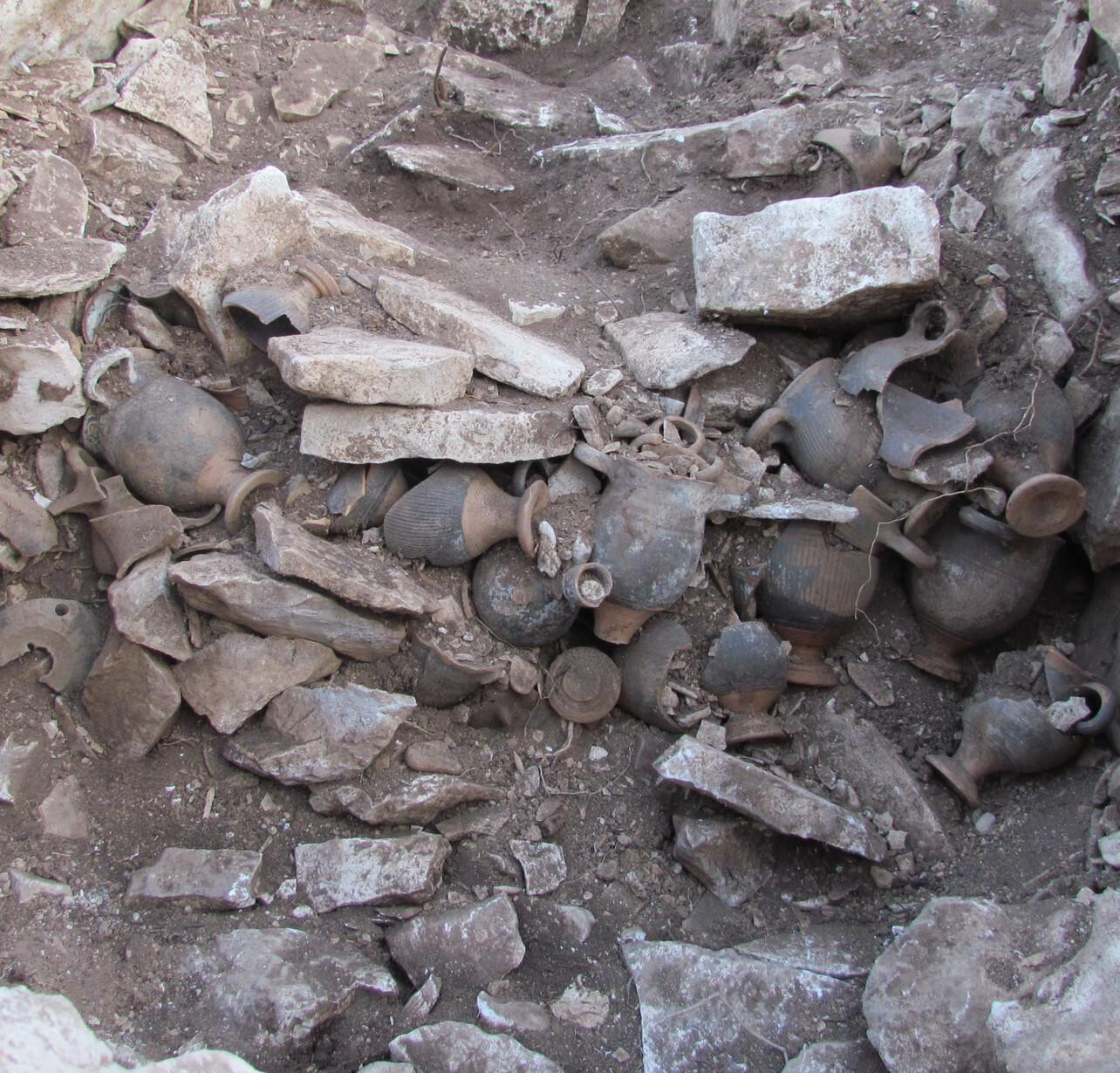
Beneath the soil, archaeologists have unearthed family tombs filled with treasures carefully placed alongside the deceased, from wine vessels and pottery to weapons, clothing fasteners and intricate jewellery.
Each object tells a fragment of the story of those who lived thousands of years ago.
“For a student, there’s no better site than Kopila in terms of the richness of finds, metals, ceramics, and artefacts,” archaeology student Miroslav Novak told HRT.
Kopila stands as one of Korčula’s most important archaeological discoveries – a true meeting point of civilisations.
“When the Greeks arrived on the Adriatic around 400 BC, they encountered the local Illyrian population. There was a two-way exchange of culture. The Greeks gave something to the Illyrians, and the Illyrians gave much in return. The result is Kopila,” explained Dinko Radić, Director of the Vis Heritage Museum.
What sets Kopila apart is its monumental necropolis, unlike anything else found in the Mediterranean. The precisely arranged stone tombs reveal an architectural style previously unknown.
“In one of these tombs, dozens, perhaps even hundreds, of individuals were buried following a distinctive Illyrian ritual, but with exclusively Hellenistic grave goods,” added Radić.
(Photo: Archaeological Museum in Split)
The hillfort settlement was inhabited from the Middle Bronze Age until the arrival of the Romans.
“According to all our findings, this was a large and economically strong settlement – an active participant in the historical and social developments taking place along this part of the Adriatic during that era,” Igor Borzić, co-leader of the archaeological excavations, explained to HRT.
Located slightly inland, away from the coast, Kopila’s position also offered protection.
“They lived here safely for almost 400 years,” concluded Radić.
Today, archaeologists hope that Kopila will soon come to life as an archaeological park, a place where past and future can meet. With its rare architecture and remarkable finds, this quiet site above Blato could become one of the Adriatic’s most fascinating windows into antiquity.